


 Tiếng Việt
“Studying Korean is not just about learning a language—it’s about equipping yourself with global integration capabilities, at the right time, in the right place, for the right market.”
— Dr. Pham Hong Phuong, Head of the Faculty of Korean Language and Culture, Trung Vuong University
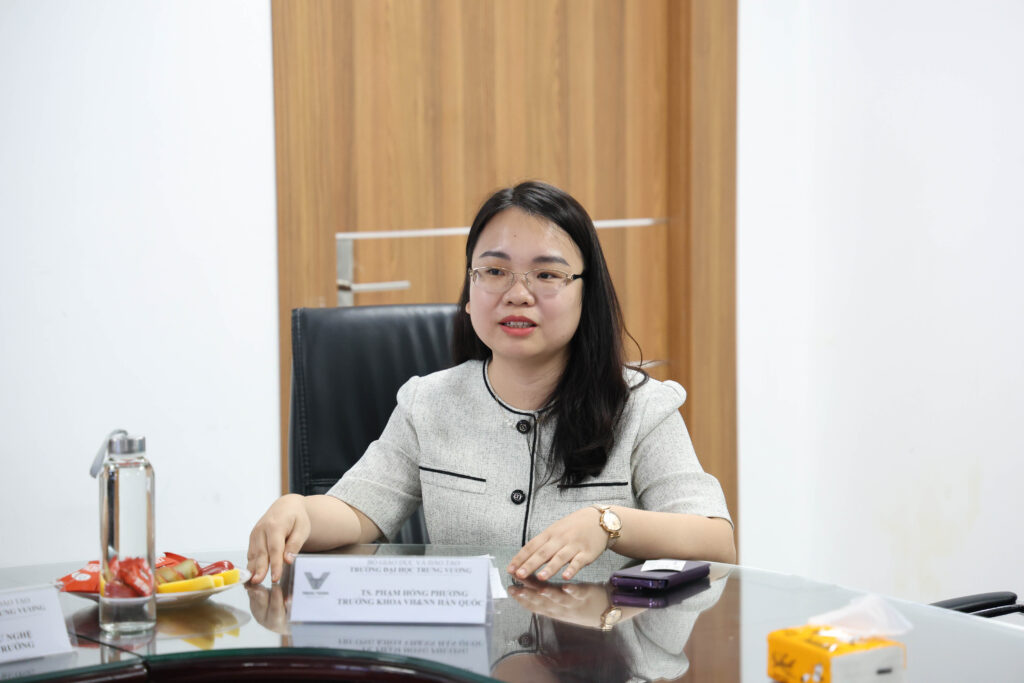
In an era where every profession demands international skills, choosing a major is no longer a matter of following trends—it requires strategic thinking. According to Dr. Pham Hong Phuong, Korean Studies is becoming a smart choice for practical-minded young people who have a long-term vision and wish to grow in a global environment.
Why choose Korean Studies? Here are four key reasons, based on academic insights and real-world practice:
Korean Studies Offers Strong Job Prospects and Rapid Growth
Dr. Pham Hong Phuong notes: “More than 3,000 Korean companies are investing in Vietnam—a massive job market for anyone who knows Korean.” Giants like Samsung, LG, Hyundai, Lotte, and Posco are expanding in major cities and provinces such as Bac Ninh, Hai Phong, Ho Chi Minh City, and Da Nang, fueling a growing demand for Korean-speaking employees.
Many positions require Korean proficiency at TOPIK level 3 or higher, with starting salaries ranging from 10 to 12 million VND/month, or even more if you can work directly with Korean managers. For students and parents wondering, “Is this a stable field?”—the answer is yes. Learning Korean is a way of preparing to enter a dynamic, diverse, and well-paying job market.
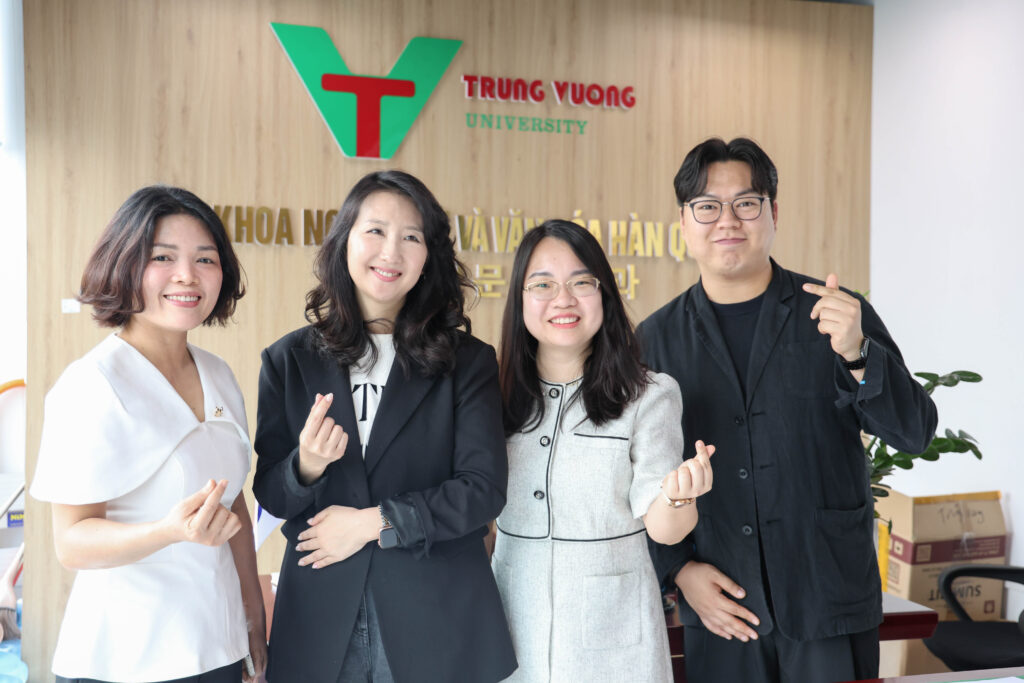
Studying Korean Opens Doors to the World, Not Just Teaching Jobs in Vietnam
Korean is one of the most internationally applicable foreign languages. Proficiency can lead to work opportunities not only in Korean companies in Vietnam, but also study and career paths abroad, especially in Korea and other countries.
At Trung Vuong University, Korean Studies students have access to numerous international cooperation programs—particularly the 2+2 and 3+1 exchange models. Additionally, students can join E-visa programs for Korean language learners, which are flexible and cost-effective.
Many Trung Vuong graduates go on to pursue master’s degrees in Korea while working part-time, earning 40–50 million VND/month. For students who aspire to study abroad but lack the means to go immediately, starting with Korean Studies in Vietnam and transferring later is a practical and safe path.
Diverse Career Paths After Graduation—Not Limited to Teaching
A common misconception is that studying Korean leads only to teaching or translation. In reality, Korean Studies covers language, culture, intercultural communication, soft skills, and industry-specific knowledge in fields like commerce, tourism, media, and HR management.
Graduates can work in a wide range of roles: translators/interpreters, media or HR specialists, foreign affairs assistants, tour guides, Korean teachers, or professionals in import-export, logistics, and project coordination. Employment settings span multinational corporations, educational institutions, and travel enterprises.
Dr. Phuong emphasizes: “There is still a shortage of qualified personnel in this field, while demand is high—so career advancement prospects are very promising.” For young people with clear goals and serious attitudes, this is a profession that can take you far—and fast.
Korean is a Suitable Language for Vietnamese Learners—Easier with the Right Method
A frequent concern among students and parents is: “Will I be able to learn it?” Dr. Pham Hong Phuong’s answer is: Absolutely. Korean has a logical alphabet, clear structure, and pronunciation similar to Vietnamese. With the right learning path, students can achieve TOPIK level 4–5 during their university studies.
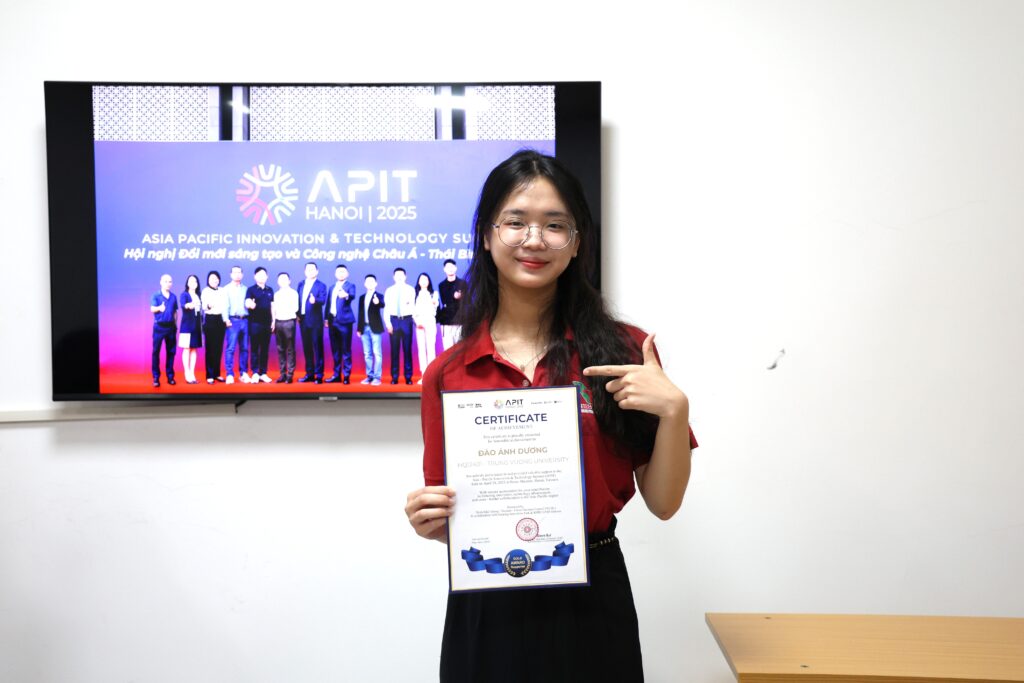
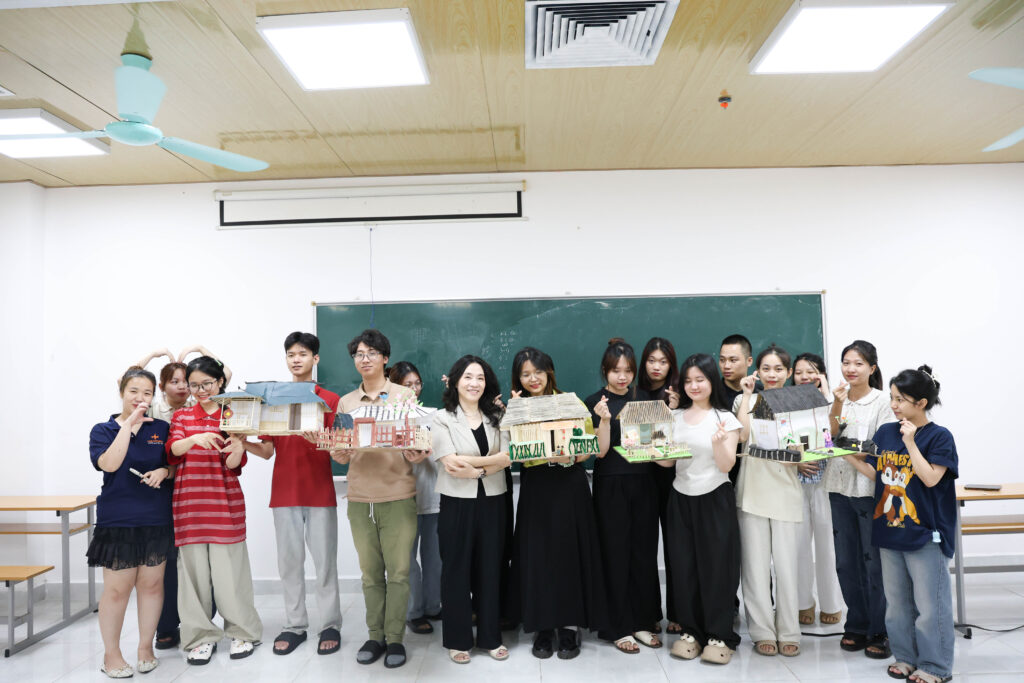
At Trung Vuong, students start from scratch with a tailored program: beginning with Hangul, progressing to basic communication, TOPIK exam preparation, joining Korean language clubs, cultural exchanges, and internships with partner companies. The goal is not just to know the language, but to live, work, and integrate using Korean proactively.
For students who fear foreign languages or have never studied Korean, this is a solid and guided way to start. Dr. Pham Hong Phuong emphasizes that Korean Studies is not a short-term trend—it’s a field tied to the sustainable development of economic, cultural, and educational ties between Vietnam, Korea, and the broader Asian region.